How to Start a Wellness Journey – Beginner’s Guide
Starting a wellness journey can feel exciting, inspiring, and sometimes a little overwhelming. With so much advice online about fitness routines, healthy eating, mindfulness practices, and self-improvement, it’s easy to wonder where to begin. The good news is that wellness isn’t about doing everything perfectly—it’s about creating habits that help you feel healthier, happier, and more balanced over time.
Your wellness journey is deeply personal. What works for someone else may not work for you, and that’s completely okay. The goal isn’t to follow someone else’s definition of wellness but to discover what helps you thrive physically, mentally, and emotionally. This beginner’s guide will help you build a strong foundation that feels realistic, sustainable, and aligned with your lifestyle.
Mapping Your Unique Wellness Roadmap
Creating a personalized wellness roadmap is one of the most valuable first steps you can take. Rather than chasing every new trend, focus on understanding your current habits, priorities, and goals.
Your wellness journey should support the life you already have while gently encouraging growth and positive change. Small, intentional improvements are often far more sustainable than dramatic transformations.
Defining Personal Wellness Goals
Before making changes, take some time to reflect on what wellness means to you. For one person, it might mean having more energy throughout the day. For another, it could involve reducing stress, improving sleep, or building healthier eating habits.
Setting clear goals helps provide direction and motivation. Consider creating goals that are:
- Specific and easy to understand
- Realistic for your current lifestyle
- Focused on progress rather than perfection
- Meaningful to your personal values
For example, instead of saying, “I want to be healthier,” you might decide to take a 20-minute walk three times a week or prepare more home-cooked meals during the month.
Recognizing Individual Strengths and Challenges
Every person begins their wellness journey with different experiences, strengths, and obstacles. Understanding both helps you create a plan that works with your life instead of against it.
Maybe you’re already good at meal planning but struggle with consistent movement. Perhaps you enjoy exercising but find it difficult to prioritize rest and self-care. Being honest about your challenges allows you to approach them with curiosity rather than judgment.
Remember that your goal isn’t to become perfect—it’s to create a lifestyle that supports your overall well-being in a way that feels sustainable and enjoyable.
Building a Sustainable Routine
One of the biggest mistakes beginners make is trying to change everything at once. Lasting wellness habits are built gradually, through small actions repeated consistently over time.
Think of your routine as something that evolves with you rather than a strict set of rules you must follow perfectly every day.
Establishing Time-Bound Wellness Practices
Scheduling wellness activities makes them easier to maintain. Rather than waiting until you “find the time,” intentionally create space for habits that matter to you.
Simple examples include:
- A 15-minute morning walk before work
- Meal preparation every Sunday afternoon
- Ten minutes of evening journaling
- A technology-free hour before bedtime
These small commitments are easier to sustain and build confidence as they become part of your daily routine.
Balancing Fitness, Nutrition, and Mindfulness
Wellness extends far beyond exercise. A balanced approach includes caring for your body, mind, and emotional well-being together.
Consider incorporating:
- Regular movement that you genuinely enjoy
- Nourishing meals with plenty of whole foods
- Mindfulness practices like meditation or journaling
- Healthy sleep habits
- Activities that bring joy and relaxation
These different elements support one another and create a more holistic approach to health and happiness.
Tracking Progress and Adjusting Your Mindset
Your wellness journey isn’t a straight line. Some weeks will feel easy and motivating, while others may bring setbacks or unexpected challenges. Learning to view progress with flexibility and compassion is an essential part of long-term success.
Tracking your habits and reflecting regularly can help you understand what’s working and where adjustments may be helpful.
Simple Ways to Monitor Your Journey
You don’t need complicated systems to stay organized. The best tools are the ones you’ll actually use consistently.
Helpful options include:
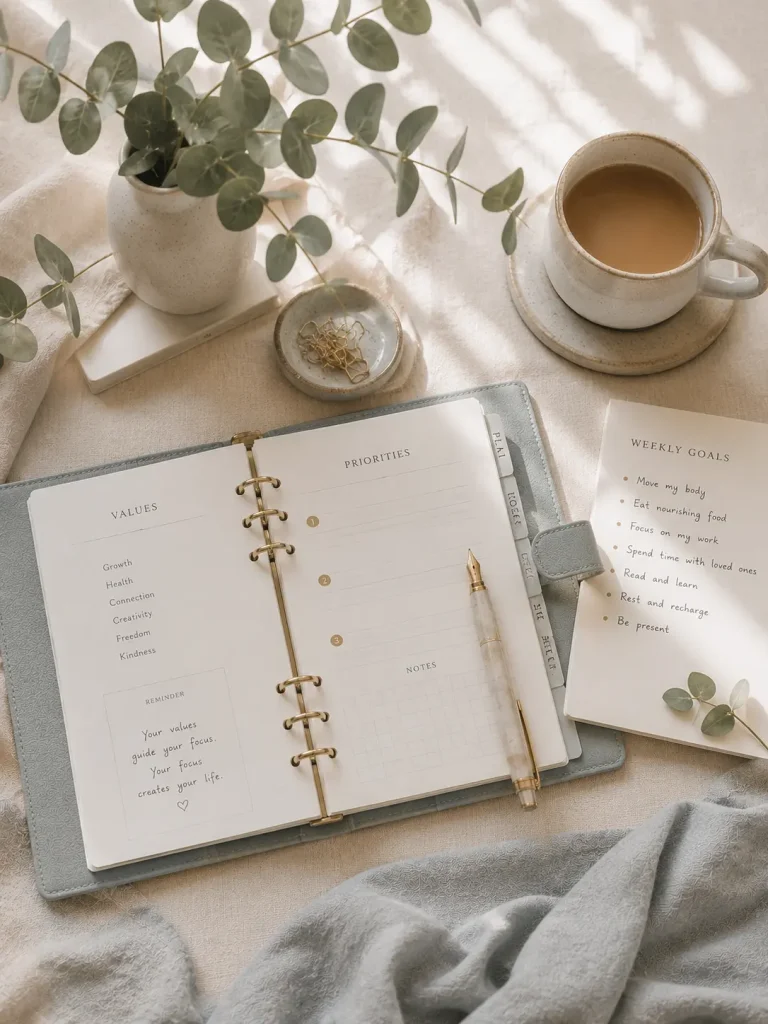
- A wellness journal
- Habit-tracking apps
- Weekly reflections in a notebook
- A simple calendar for workouts and meals
- Gratitude lists or mood trackers
Monitoring your progress allows you to celebrate successes and identify areas that may need more support or flexibility.
Embracing a Growth Mindset
Setbacks are a normal part of every wellness journey. Missing a workout, eating differently than planned, or struggling with motivation doesn’t mean you’ve failed—it simply means you’re human.
Instead of focusing on perfection, aim to learn from challenges and continue moving forward. Ask yourself:
- What worked well this week?
- What made healthy habits difficult?
- What small adjustment can I make moving forward?
This compassionate approach helps create resilience and makes long-term wellness feel more attainable.
Creating a Supportive Environment
Your environment plays a powerful role in shaping your habits. Creating spaces that support your goals can make healthy choices feel easier and more natural.
Small changes to your surroundings often have a bigger impact than relying solely on motivation.
The Value of Community and Accountability
Wellness journeys don’t have to be solitary experiences. Having supportive people around you can provide encouragement, inspiration, and accountability.
This might include:
- Walking with a friend
- Joining a fitness class
- Participating in online wellness communities
- Sharing goals with family members
- Finding an accountability partner
Being surrounded by positive influences makes it easier to stay motivated during challenging periods.
Seeking Professional Support When Needed
Sometimes professional guidance can provide valuable insights and personalized support. Nutritionists, personal trainers, therapists, and wellness coaches can help you create plans that align with your specific needs and goals.
There’s no shame in asking for help. Seeking support demonstrates a commitment to your well-being and can make your journey feel more manageable and enjoyable.
Celebrating Milestones and Reflecting on Progress
One of the most important aspects of wellness is recognizing how far you’ve already come. Small victories deserve celebration because they reinforce positive habits and build confidence.
Progress isn’t always dramatic. Often, the biggest changes happen gradually through consistent, everyday actions.
Why Small Wins Matter
Every healthy choice contributes to your overall growth. Small accomplishments might include:
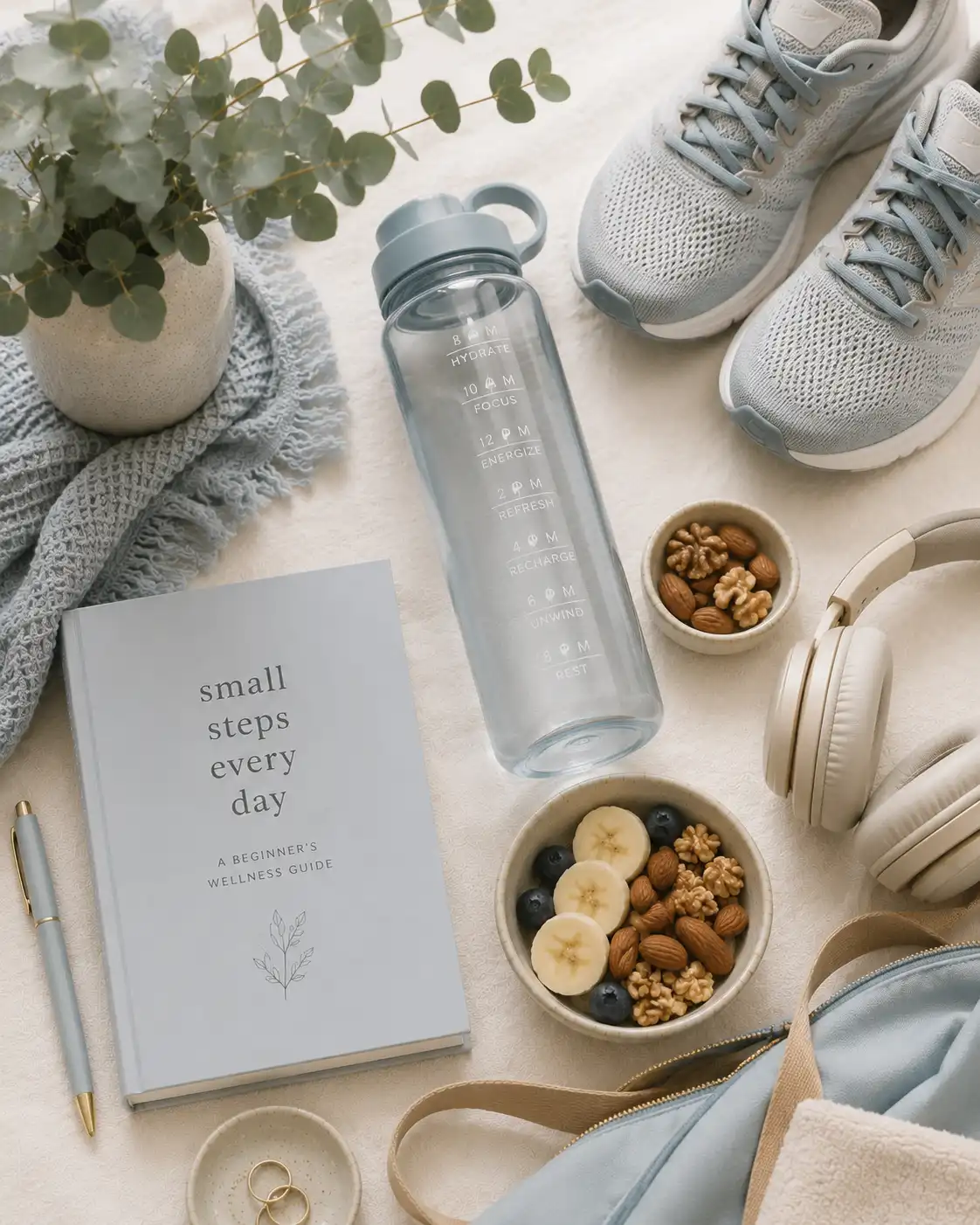
- Drinking more water throughout the day
- Walking consistently for two weeks
- Cooking a healthy meal at home
- Going to bed earlier
- Taking time to rest without guilt
Celebrating these moments helps create positive momentum and reminds you that progress is happening, even when it feels slow.
Building Reflection into Your Routine
Regular reflection helps you stay connected to your goals and understand how your needs may be changing over time.
Consider setting aside a few minutes each week to ask yourself:
- What made me feel my best this week?
- What habits supported my well-being?
- What challenges did I experience?
- What do I want to focus on next?
These moments of reflection encourage self-awareness and help ensure that your wellness journey continues to align with your values and priorities.
Final Thoughts
Starting a wellness journey doesn’t require a complete life overhaul. It begins with small, intentional choices that support your physical, mental, and emotional well-being. The most important thing is to start where you are, use what you have, and move at a pace that feels sustainable for you.
Remember that wellness is not a destination or a perfect version of yourself waiting at the finish line. It’s an ongoing practice of caring for your needs, learning from challenges, and creating a life that feels balanced and fulfilling. Every small step you take matters, and each choice you make is an investment in your future well-being.